
The project
The project “Our Earth, Our Voice” is a project funded under the Erasmus + Programme, Action Type KA210-YOU- call 2024 Round 1- Field Youth.
The project, ‘Our Earth, Our Voice’, stems from a needs analysis we conducted at the level of our organisations, youth workers and target groups. This analysis revealed the low level of motivation and engagement of young people in tackling ecological problems and the desire for greater inclusion and empowerment of young people.
Hence, there is a need to strengthen young people’s capacity for involvement in environmental sustainability initiatives.
The project addresses these needs by providing targeted training to 16 youth workers from the partners and organising local workshops with 120 young people from our communities, half of whom, 60, have few opportunities.
Through NFE activities, educational campaigns, creative workshops and engaging podcasts, we seek to raise awareness, motivate and empower young people to take an active role in addressing environmental challenges within their communities. Furthermore, our project promotes collaboration and capacity building among partner organisations, ensuring sustainability and impact.
The ‘Our Earth, Our Voice’ project will support the development of a more environmentally aware youth population, capable of driving positive change and contributing to a sustainable future in their countries in the long term.
Partners
There are four project partners , exactly:
- APPLICANTS DETAILS: Center for the Development of Personal Competences and the Protection of Human Rights– Croatia- Region – Grad Zagreb- City Zagreb- website: www.crok.hr
- Partner organisation details: CREATIVE THINKING DEVELOPMENT– Greece- Region Aττική (Attiki) City RAFINA- website: www.crethidev.gr
- Partner organisation details: Asociatia Empower Plus– Romania- Region Bucureşti – Ilfov- Bucharest, Sector 6
- Partner organisation: Studio Legale Crastolla Associazione Professionale– Italy- Region Puglia- Mesagne (BR) -website: www.studiocrastolla.com
Events and Activities
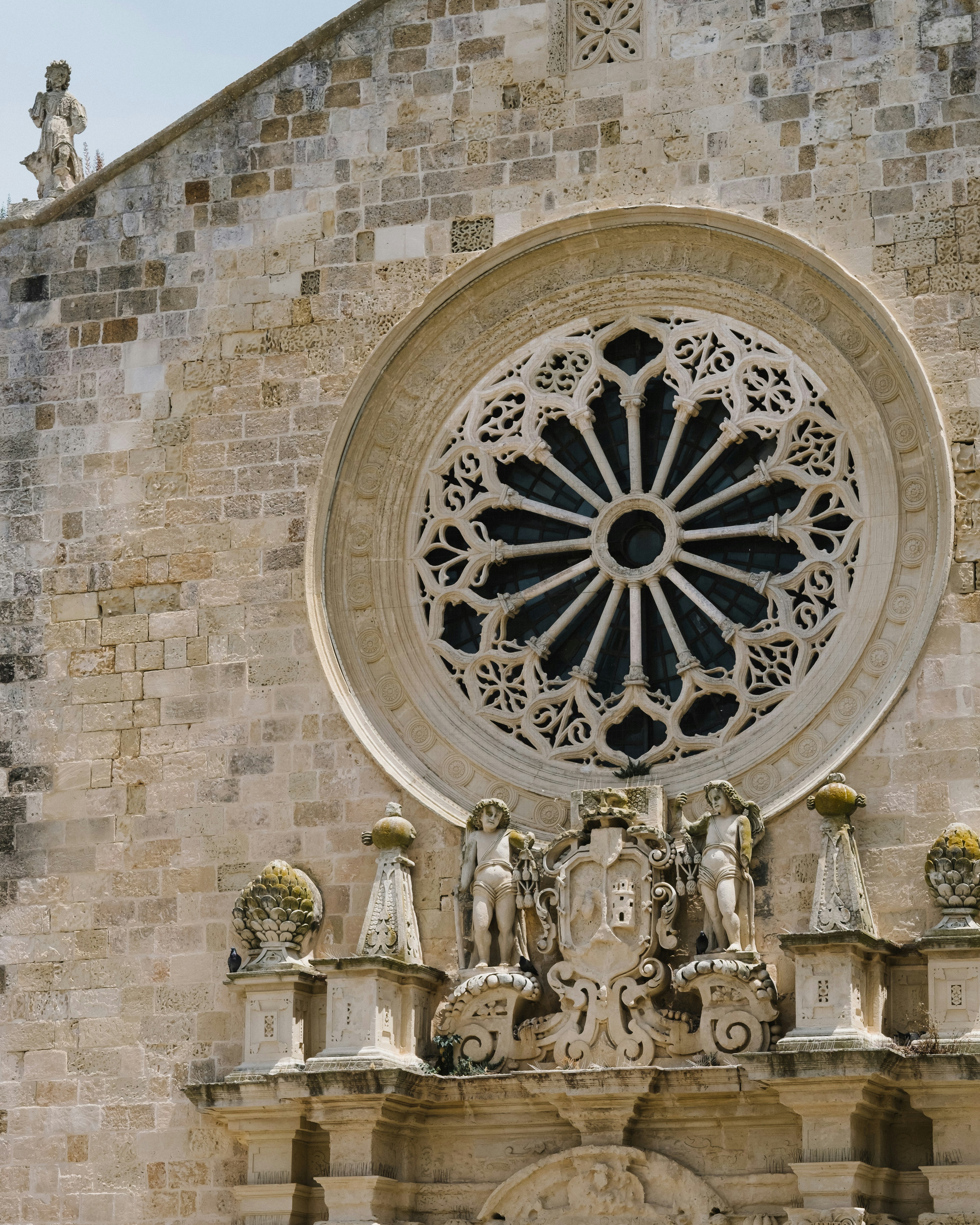
The “Green Generation” training course, organized by the Crastolla Law Firm, was held in Lecce from March 14 to 20, 2025.
Location: Via Gaetano Brunetti 8, Lecce, at the CNA Lecce events center.
The “Green Generation” training course brought together 16 youth workers for seven days in Puglia. The event was designed to provide participants with the knowledge, skills, and tools needed to engage young people in environmental sustainability initiatives. The course content was structured to cover various aspects of sustainability, including environmental challenges, climate change, and eco-sustainable practices, while also focusing on practical strategies for implementing engaging and impactful activities with young people.
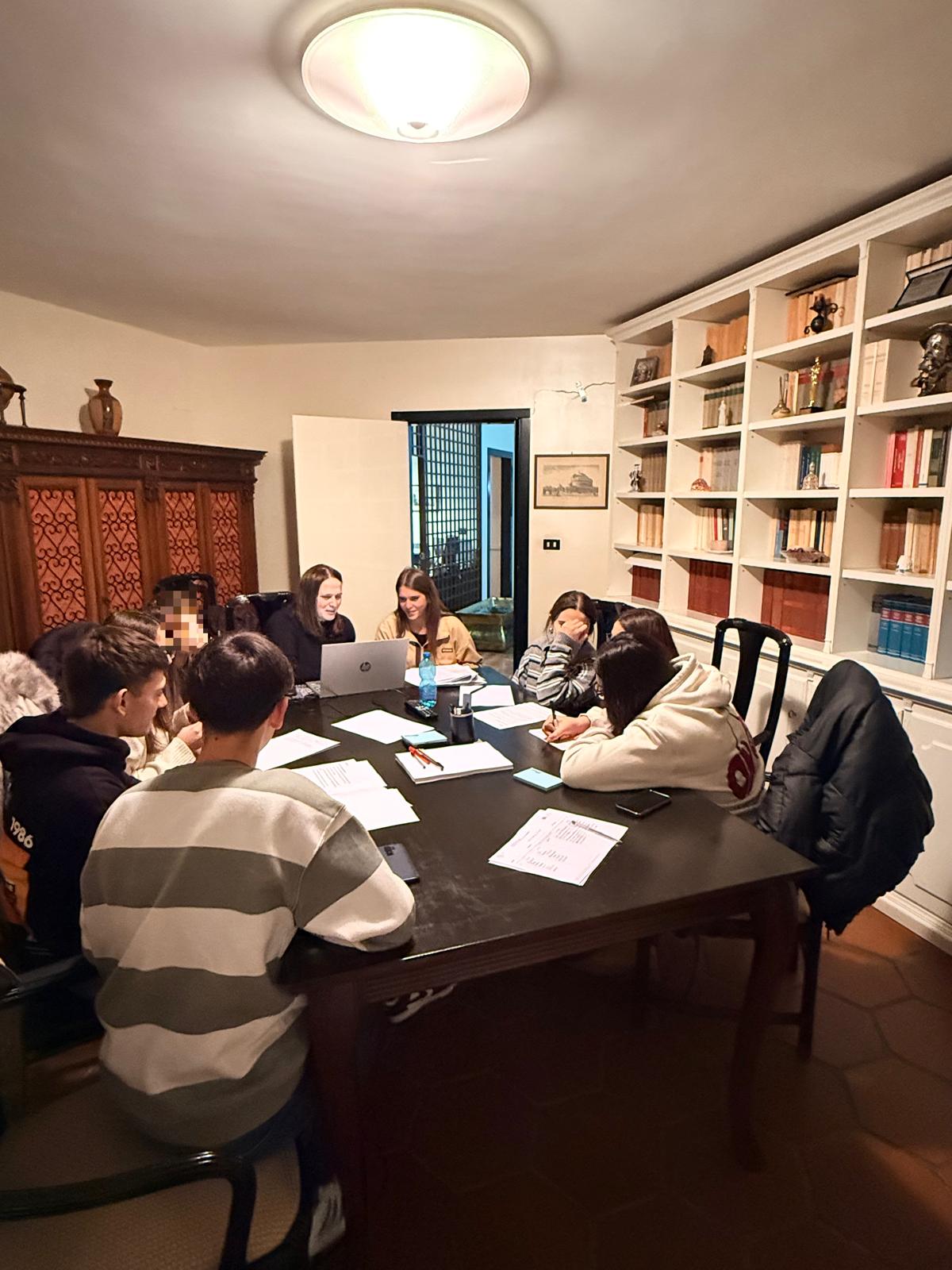
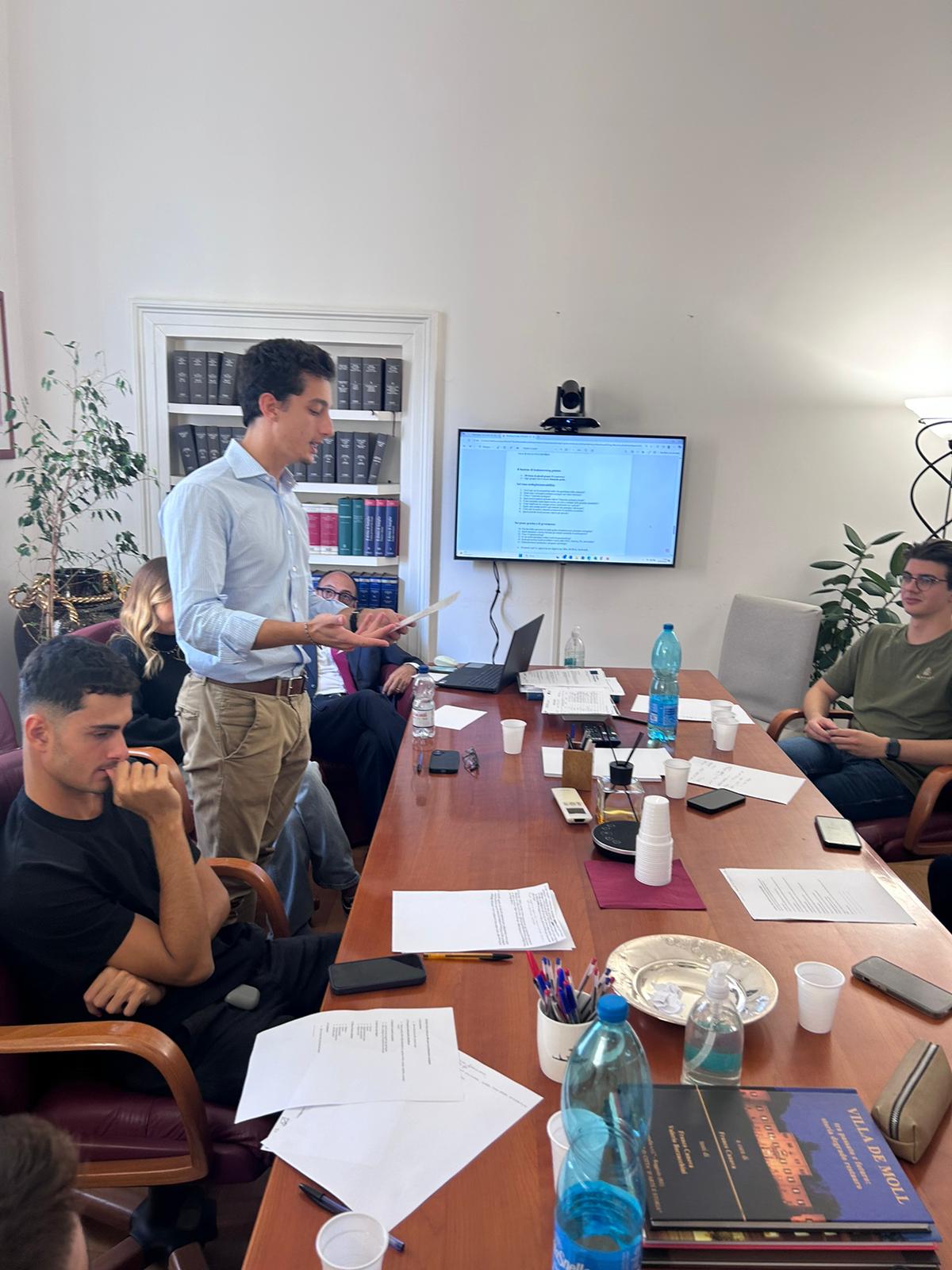
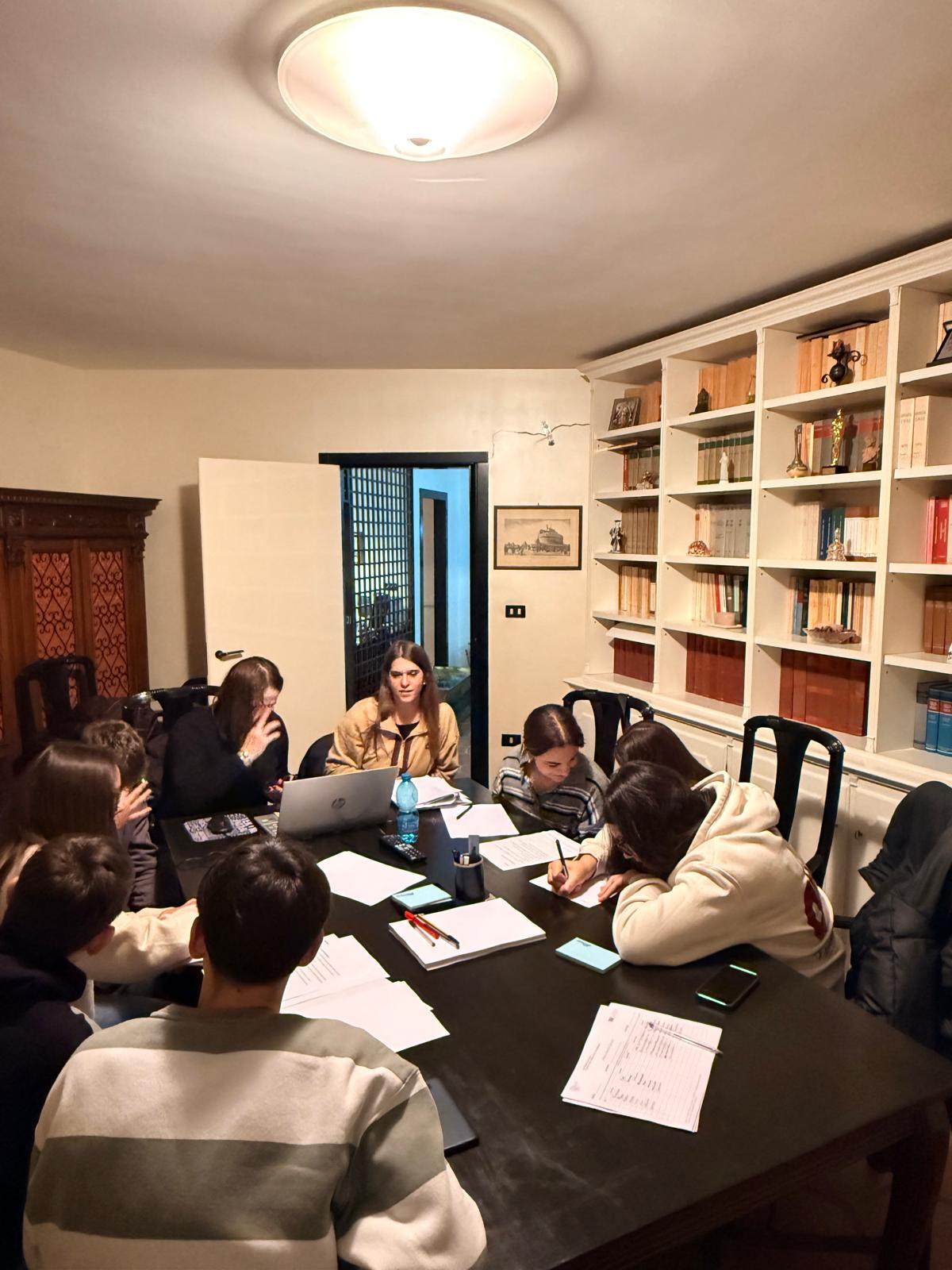
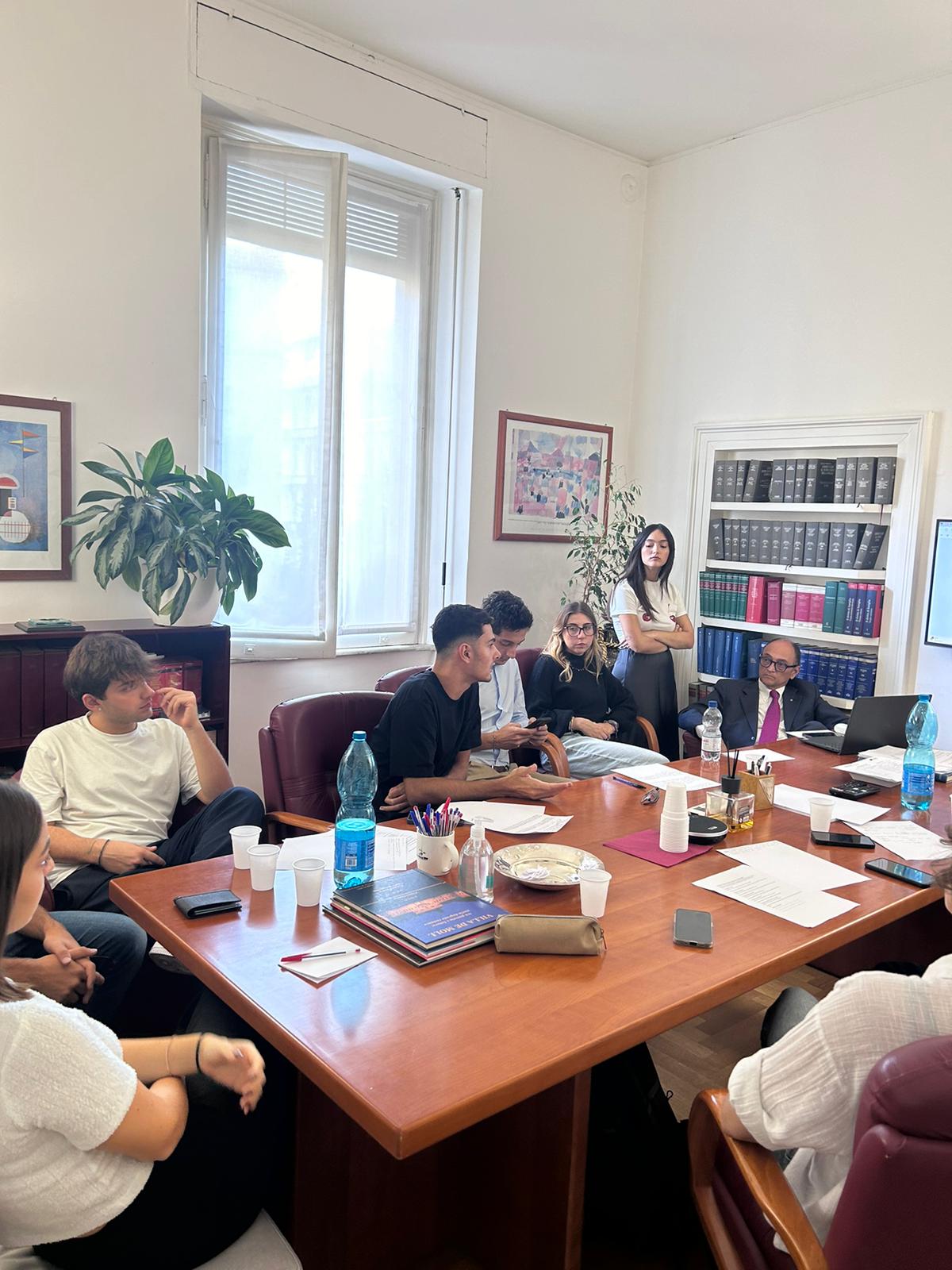
Studio Crastolla organized two environmental events: one in Rome and one in Mesagne (BR).
Several young people participated, discussing topics related to environmental sustainability, climate change, and social inclusion.
During the workshops, participants worked together with three clear objectives:
- understanding local challenges related to environmental issues;
- proposing concrete solutions;
- drafting a local action plan — a short document useful for transforming ideas into practical proposals.
They were divided into groups and began a guided brainstorming session, during which each group answered questions on ecology and sustainability or governance, and then presented their conclusions.
Afterwards, still working in groups, they developed the local action plan addressing three key points:
- understanding the main local challenges related to the topic (ecological, social, etc.);
- identifying practical solutions that can be adopted;
- determining who should be involved (local stakeholders) to implement them.
The project also produced digital materials designed to last over time and to be used by young people interested in the topics addressed:
- an educational booklet, which serves as a digital resource for youth workers, providing a practical guide and tools to engage young people in environmental sustainability initiatives. In particular, it offers information on sustainability, climate change, and “green skills,” as well as practical tools for youth workers and educators.
The booklet is divided into four chapters, each developed by a project partner:
- Chapter 1: Introduction to Environmental Sustainability
- Chapter 2: Engaging Youth in Environmental Activities
- Chapter 3: Green Skills and Resources
- Chapter 4: Case Studies and Success Stories
and can be downloaded from our website.
Articles
- a series of podcasts, “Green Talks – Building a Better Future,” sharing experiences, stories, and good environmental practices, giving a voice to young people and local communities.
A total of six podcasts were produced, available at the following links:
- Episode 1: Importance of Environmental Sustainability
https://www.youtube.com/watch?v=DwsYI2IuLag&t=52s - Episode 2: Youth Engagement and Empowerment
https://www.youtube.com/watch?v=xuxNb7B4mK0 - Episode 3: Green Skills and Innovation
https://www.youtube.com/watch?v=lGJ2nMGv2m4 - Episode 4: Community Engagement and Action
https://www.youtube.com/watch?v=POPfx6TC_Bw - Episode 5: Climate Justice and Equity
https://www.youtube.com/watch?v=cKFq29qz9p8 - Episode 6: Youth Voices and Future Outlook
https://www.youtube.com/watch?v=tpZIlW8-xfo
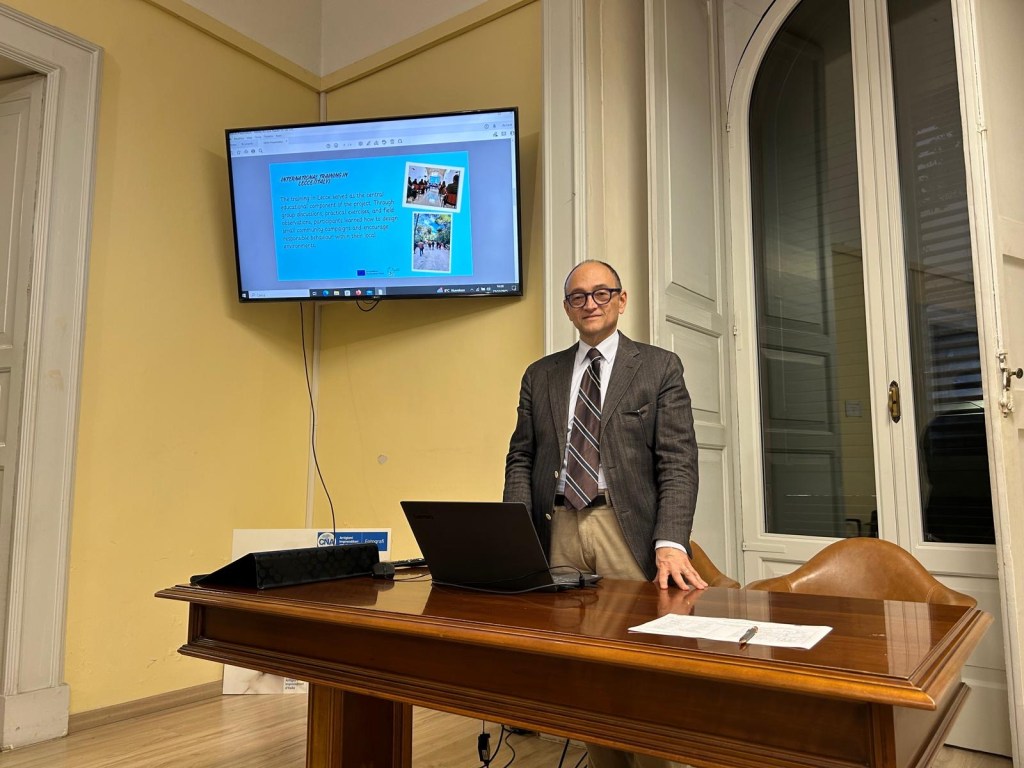
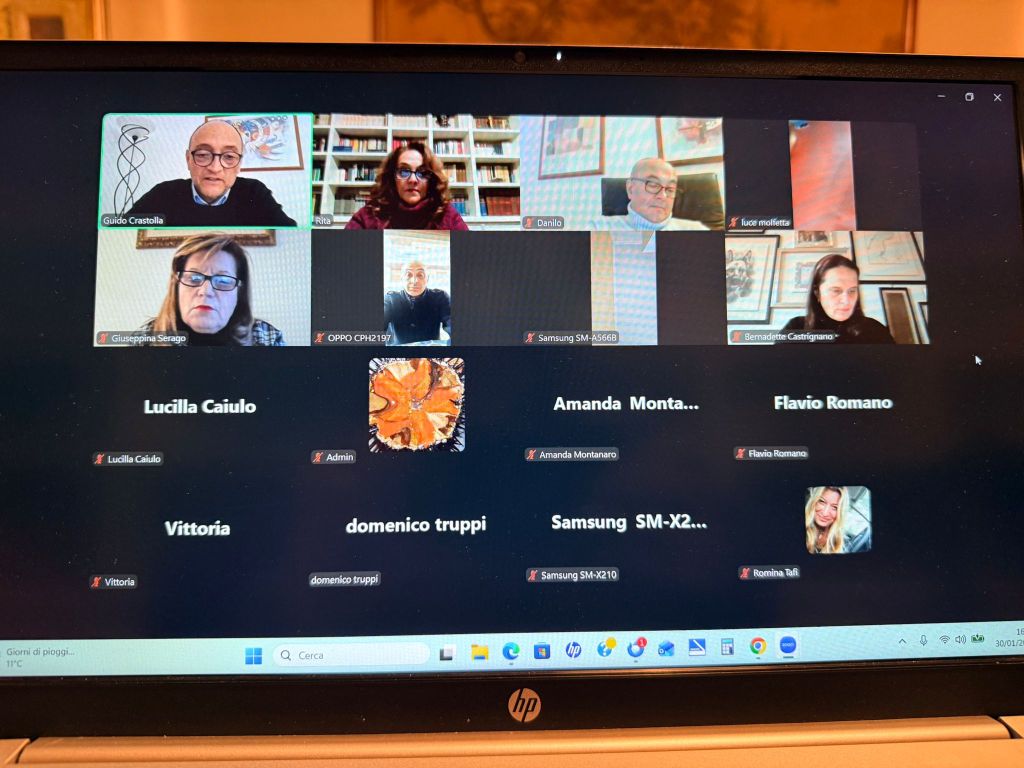
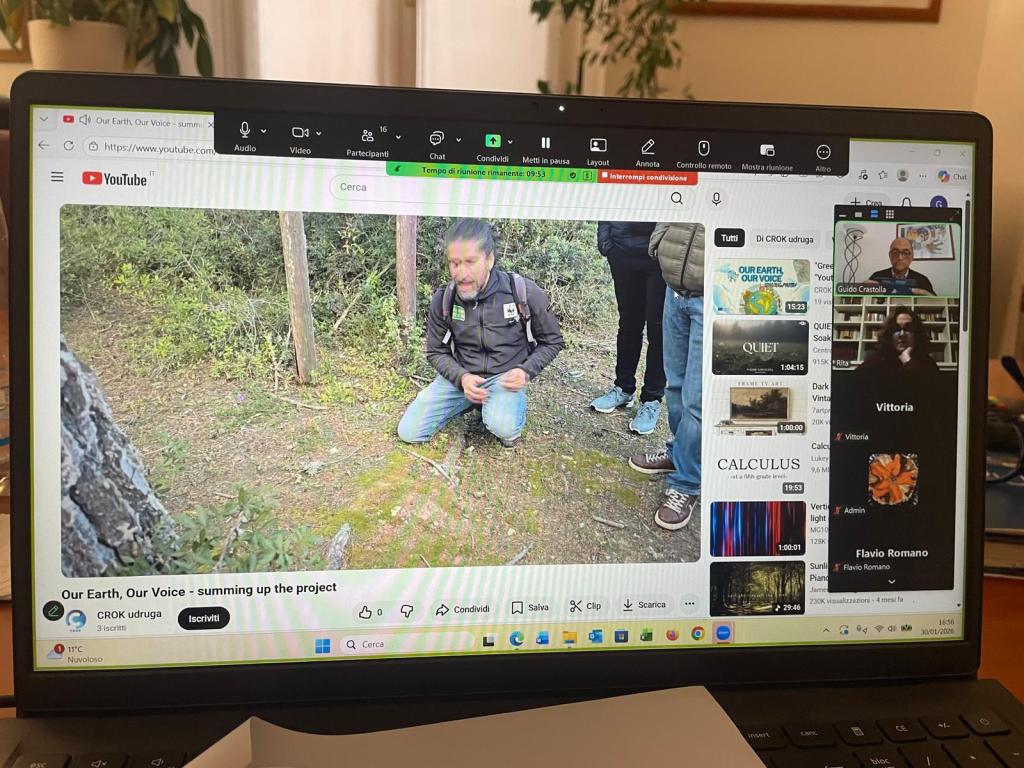
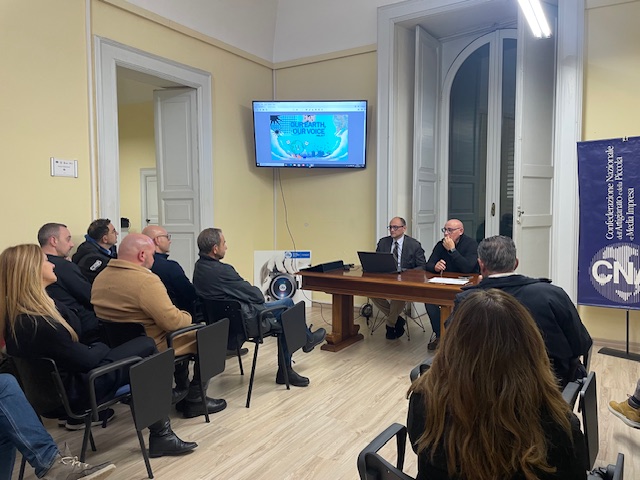
Finally, the studio organized two dissemination events: an in-person conference in Lecce and an online one, during which the implemented activities and project results were presented and explained. Both conferences were attended by young people, educators, youth activists, environmental sustainability supporters, and the general public.
Results and impact
The project contributed to:
- increasing youth workers’ competences;
- strengthening environmental awareness among participating young people;
- encouraging greater civic engagement;
- creating a stronger European network among partner organizations.
The most important impact was the change observed in participants: greater motivation, increased attention to environmental issues, and a stronger sense of responsibility toward their communities.
Looking ahead
The skills acquired, materials produced, and relationships built represent a solid foundation for new local and European initiatives. The project shows that investing in young people and environmental education means investing in the future of communities.
“Small steps today, greener communities tomorrow.”
 Studio Legale Crastolla